
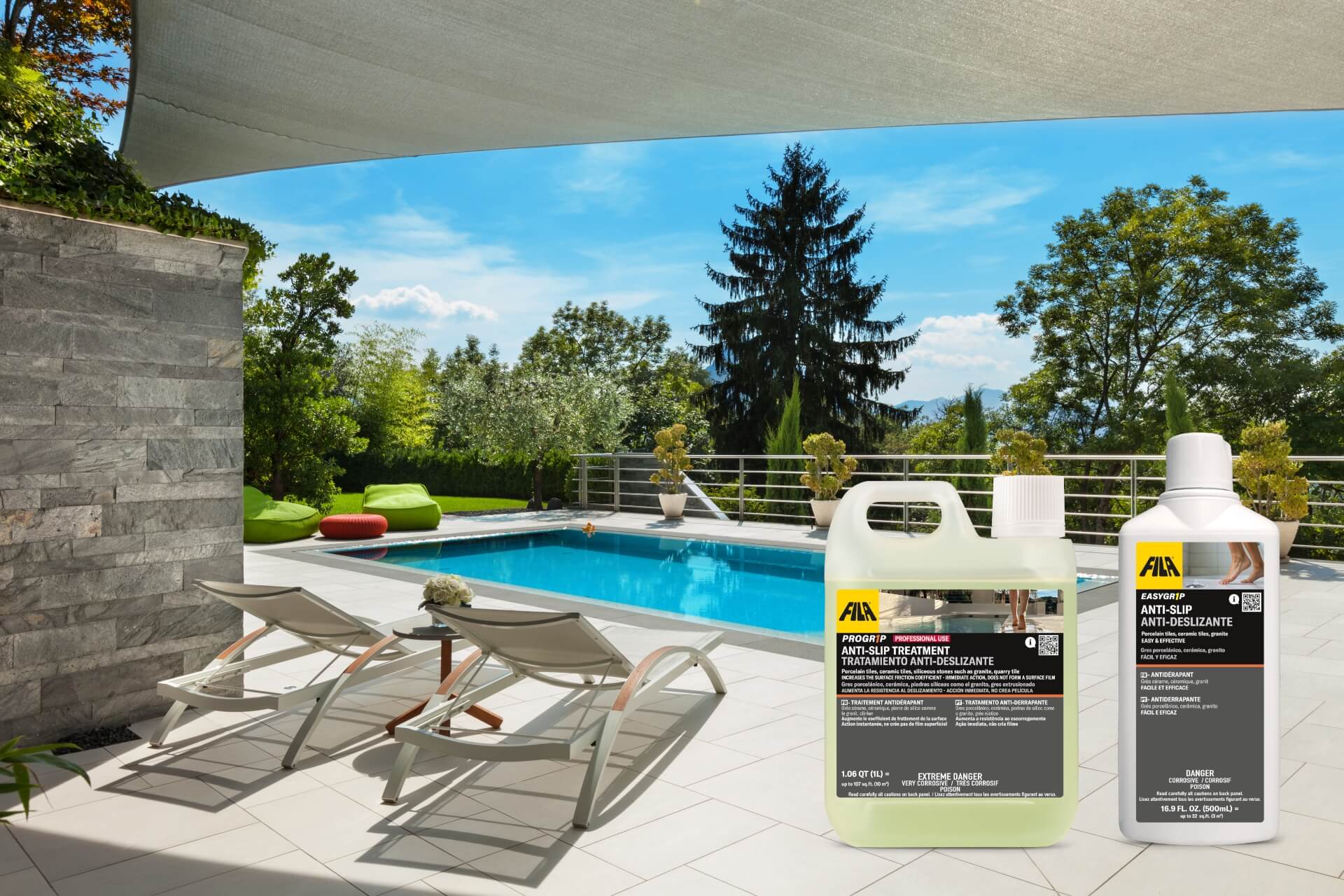
Slip resistance is one of those things that often only gets attention after something goes wrong. A near miss on a wet pool deck. A customer slipping in a tiled entryway. A beautifully finished bathroom that suddenly feels unsafe underfoot.
In today’s US construction and renovation market, safety expectations are higher than ever. It’s no longer enough for a surface to look good or perform well structurally. It also needs to behave safely in real-world conditions, especially when water is involved. That’s where FILA’s PROGR1P and EASYGR1P come in.
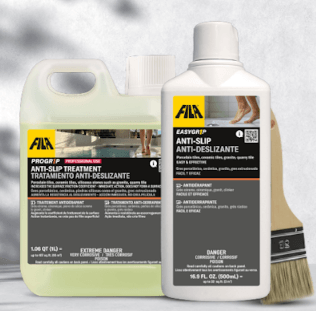
These treatments offer a different approach to improving traction on hard surfaces. Instead of adding a coating on top, they work directly within the material itself, creating a permanent increase in grip without changing the appearance.
Why Slip Resistance Matters on Hard Surfaces
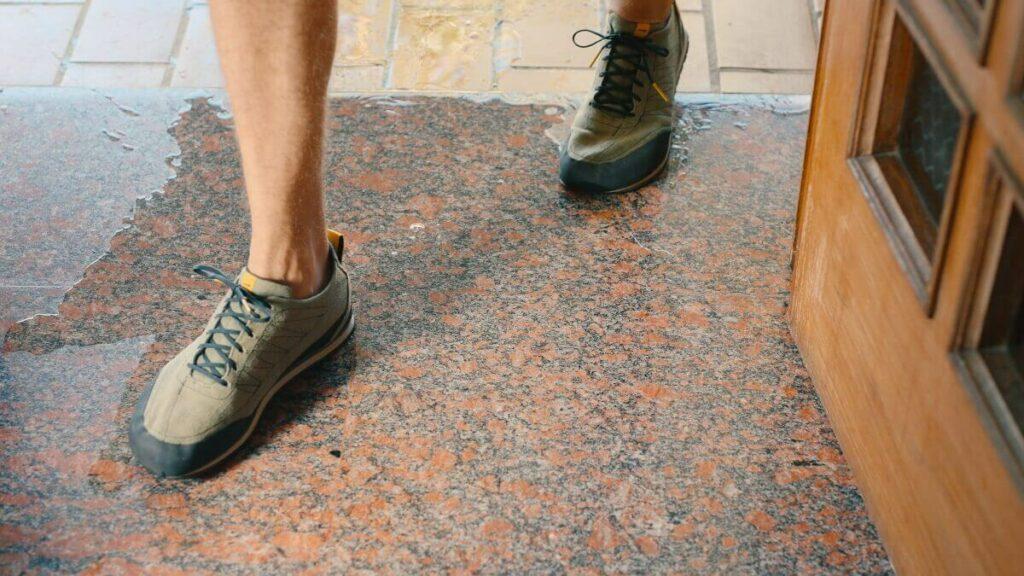
At its core, slip resistance comes down to friction. When a hard surface becomes wet, a thin layer of water can form between the foot and the floor. That layer reduces contact, making it easier for the foot to slide rather than grip.
This effect is especially noticeable on:
- Porcelain and ceramic tiles
- Siliceous natural stone
- Exterior paving exposed to rain
- Interior floors in bathrooms or entryways
In dry conditions, many of these materials perform perfectly well. But once moisture is introduced, the surface can behave very differently. Improving traction in those moments prevents accidents and, ultimately, injuries.
When to Specify Anti-Slip Treatments
In many projects, slip resistance is not necessarily discussed early on. The focus is usually on finish, format, and overall design. It is only once the space is in use or close to completion that concerns about safety begin to surface.
Ideally, slip resistance should be considered at the specification stage. This allows designers and contractors to choose materials that already meet performance expectations. However, in reality, that does not always happen. There are plenty of situations where a surface looks right on paper but behaves differently once installed.
Large-format porcelain tiles, for example, can appear perfectly suitable until they are exposed to water in everyday use. This is where treatments like PROGR1P and EASYGR1P become valuable. They provide flexibility. Instead of having to redesign or replace materials, you can adjust performance after installation.
Whether it is introduced during planning or as a solution to an issue discovered later, the key is to understand that slip resistance can be improved, even in the final stages of a project.
Two Types of Anti-Slip Solutions
Most solutions on the market fall into two categories:
Surface Coatings
These are applied on top of the material to create a textured or grippy layer, but come with trade-offs such as:
- Wearing down quickly
- Altering the look of the surface
- Requiring reapplication often
Micro-Etching Treatments
This is the approach used by PROGR1P and EASYGR1P. Instead of adding a layer, the product reacts with the surface itself. It creates microscopic changes that increase traction without introducing a visible coating. This distinction is important, especially for projects where both performance and aesthetics matter.
Why Permanent Treatments Offer a Different Approach
One of the key advantages of micro-etching is that it doesn’t rely on a surface layer. With coatings, performance depends on a film that can wear away. Over time, that means reapplication, inconsistency, and additional maintenance.
With FILA’s Grip Line, the change happens within the material itself. You’re not adding grip. You’re changing how the surface interacts with water and movement. This becomes even more relevant in projects where long-term reliability is a priority.
How PROGR1P and EASYGR1P Work
Both products use a controlled micro-etching process.
When applied correctly:
- The treatment reacts with the material
- Micro-level abrasions form on the surface
- Water disperses more effectively
- Traction improves under wet conditions
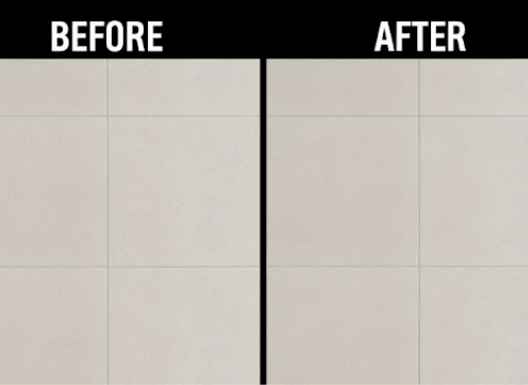
Because this happens at a microscopic level, the overall look of the surface remains unchanged when applied properly. Another key point is that this process is not temporary. It alters the surface itself, which is why the results are considered permanent with proper maintenance.
Understanding DCOF and US Standards
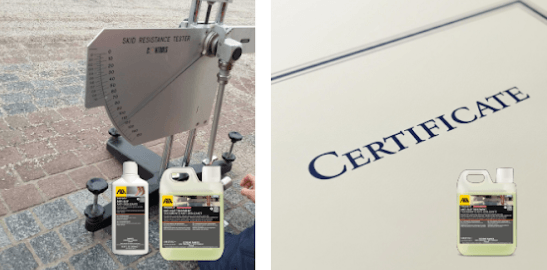
In the US, slip resistance is typically evaluated using the Dynamic Coefficient of Friction (DCOF). This measurement looks at how much resistance a surface provides when something moves across it, which closely reflects real-life conditions like walking on a wet floor.
Under ANSI A326.3-22, DCOF is measured using equipment such as the BOT-3000E. For many interior wet applications, a value of 0.42 or higher is often cited as a safety benchmark.
What matters here is not just the number, but the outcome:
- Below threshold, surfaces may be considered risky
- Above threshold, they are more likely to meet safety expectations
Treatments like PROGR1P and EASYGR1P are designed to help shift surfaces into that safer range. Once the principle is understood, the next step is selecting the right product for the job.
Choosing the Right Product
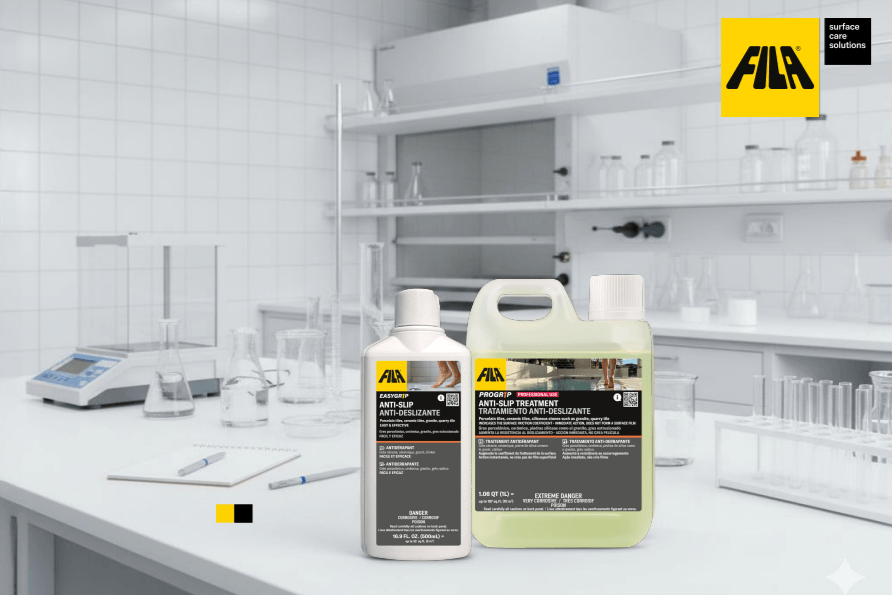
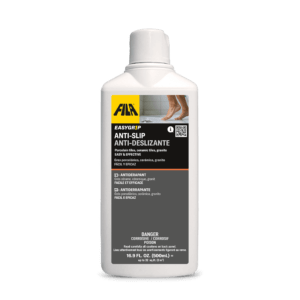
While both products work in the same way, they are designed for different types of jobs.
PROGR1P
- Fast reaction time, around one minute
- Coverage up to approximately 107 sq ft per liter
- Ideal for larger areas where efficiency matters
Typical uses include:
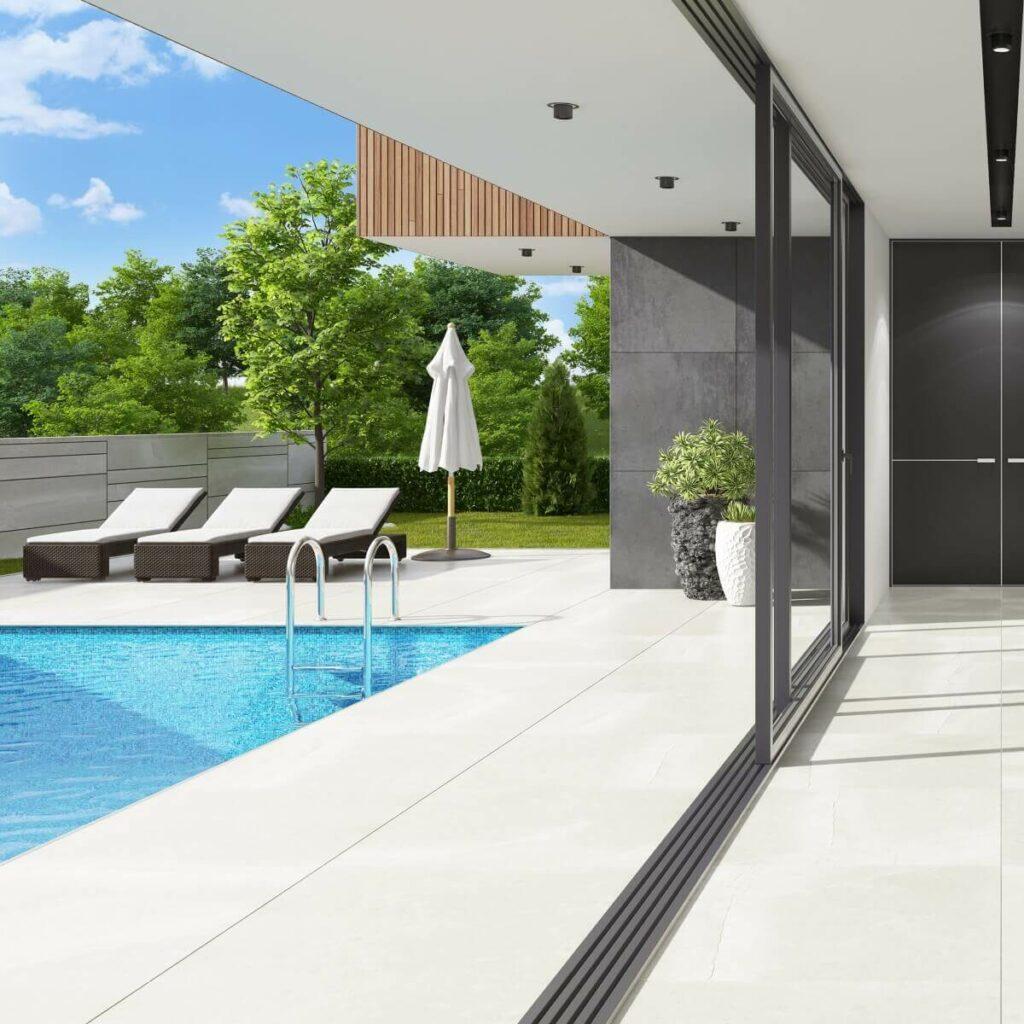
- Pool surrounds
- Exterior walkways
- Commercial flooring
EASYGR1P
- Slower reaction time, around ten minutes
- Coverage up to approximately 32 sq ft per 500 ml
- Designed for smaller or more detailed applications
Typical uses include:
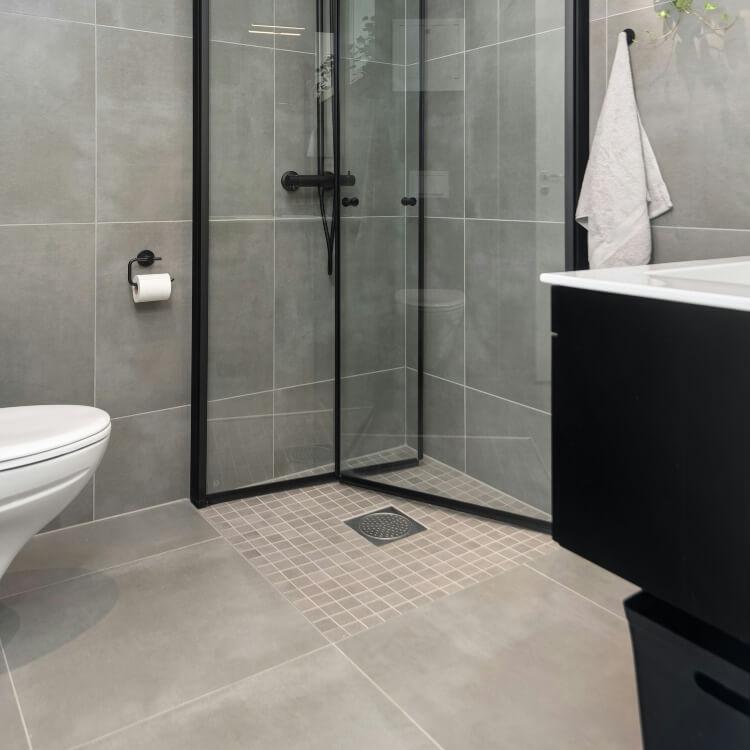
- Shower trays
- Bathroom floors
- Entry steps or localized problem areas
Suitable Surfaces
These treatments are designed for hard, non-calcareous materials.
They work well on:
- Porcelain tile
- Ceramic and quarry tile
- Granite
- Siliceous stones such as quartzite, slate, lava stone, and similar siliceous materials
These materials respond well to micro-etching, allowing traction to improve without damaging the surface.
Where They Should Not Be Used
Not all materials are suitable. Avoid using these treatments on:
- Marble
- Limestone
- Travertine
- Other calcareous stones
These surfaces can react differently and may be damaged.
Typical Problem Areas on Site
Slip issues often appear in areas such as outdoor patios, pool surrounds, large-format bathroom tiles, and commercial entryways where water is present.

Retrofit vs Replacement: A Smarter Alternative
A common challenge on site is discovering that a finished surface doesn’t perform as expected. Removing and replacing tiles is costly, disruptive, and time-consuming.
A treatment-based approach offers a practical alternative, allowing contractors to improve slip resistance without replacing the material. This reduces downtime, avoids waste, and preserves the original design.
Testing Before Application: Getting It Right from the Start
Before applying either of these treatments across a full surface, it’s essential to run a test.
This should always be carried out on a clean, uninstalled sample or in an inconspicuous area of the surface. It’s a simple step, but one that plays a critical role in achieving the right result.
There are three key reasons why testing is important.
- First, it confirms that the product is compatible with the material. While these treatments are designed for a wide range of hard surfaces, not every finish will respond in the same way.
- Second, it allows you to check the visual and performance outcome before committing to a full application. Because the treatment is irreversible, testing ensures the result meets expectations in terms of both grip and appearance.
- Third, and just as importantly, the test determines the correct contact time needed to achieve the desired level of slip resistance. Different materials react differently, so understanding how long the product should remain on the surface is key to reaching the required DCOF.
How to Run a Test
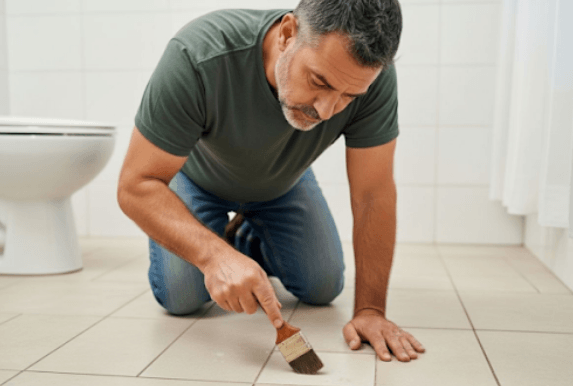
Apply the product to a clean, dry surface using a lambswool applicator, brush, or white pad. Allow it to react for the required time, ensuring the surface remains wet throughout the process.
Once the reaction time has been reached, remove the residue using a wet vacuum, mop, or cloth. Rinse thoroughly with clean water, then neutralize the surface using CLEANER PRO.
How to Evaluate the Results
After rinsing and neutralizing, assess the surface to ensure it provides the desired level of grip. If a higher level of traction is needed, the application can be repeated on the test area in controlled intervals. This helps fine-tune the contact time required to achieve the target result.
Once the correct timing has been established, it can then be applied consistently across the full surface, following the product’s application guidelines.
A Typical On-Site Workflow
While both products follow the same principles, their applications differ slightly depending on the required working time.
Applying PROGR1P
PROGR1P is designed for faster application, making it well-suited to larger areas. Once the surface has been properly prepared and tested, the product is applied evenly with a lambswool applicator, a brush, or a white pad. It should be left to react for the determined contact time, ensuring the surface remains wet throughout.
After the reaction time, remove the residue using a wet vacuum, cloth, or mop. Rinse thoroughly with clean water, then neutralize the surface using a suitable solution. Consistency is key. The product should be applied evenly across all areas for the same duration to avoid variations in the final result.
Applying EASYGR1P
EASYGR1P follows a similar process but is designed for more controlled applications where a longer working time is beneficial. After testing, the surface should be cleaned thoroughly to remove any limescale, grout residue, or grease. The product is then applied and left to react for a longer period, typically 10 minutes or more, depending on the material.
Once the reaction time is complete, remove any residue, then the surface should be washed thoroughly using a neutral cleaner to remove any residue.
What Kind of Results Can You Expect?
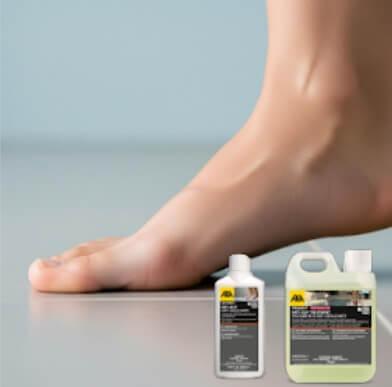
Testing across a wide range of materials shows consistent improvements in traction. These changes can make a meaningful difference in how a surface performs underfoot, particularly in wet conditions.
Common Mistakes to Avoid
Most issues with anti-slip treatments stem from application errors.
Some of the most common include:
- Skipping the initial test
- Letting the product dry during application
- Applying unevenly across the surface
- Leaving the product on for too long
- Using it on unsuitable materials
For example, overexposure can lead to visible lightening or an uneven appearance, which is avoidable with proper timing.
Interior and Exterior Applications
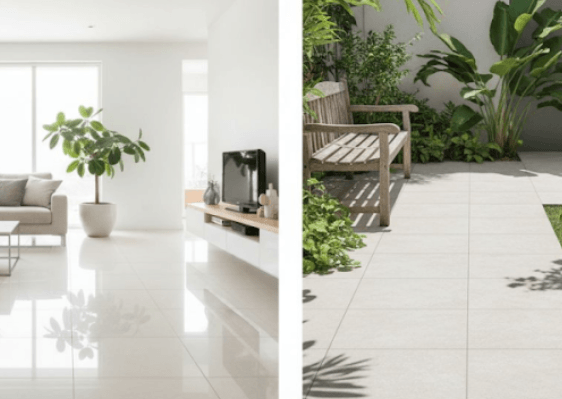
Both products are suitable for indoor and outdoor use. For exterior applications, it’s important to consider:
- Temperature
- Direct sunlight
- Drying conditions
Hot weather can cause the product to dry too quickly, which affects performance. Keeping the surface wet during application is essential.
Maintenance Over Time
Once treated, the surface will behave differently. Increased surface roughness means:
- Better grip
- Slightly higher tendency to hold dirt
That’s why maintenance is part of the system. To keep the surface performing as it should, ongoing care should include:
- Regular cleaning with a neutral cleaner
- Periodic deeper cleaning using the appropriate products
This helps maintain both the appearance and the performance of the surface over time.
Testing, Certification, and Compliance
For commercial projects, verification is often required. This may include:
- On-site slip testing
- Technical reports
- Maintenance documentation
- Periodic audits
Having measurable data helps demonstrate that a surface meets the required standards and continues to perform over time.
On-Site Questions Answered
How often must I reapply these products?
PROGR1P and EASYGR1P are permanent treatments that do not need to be reapplied. To ensure the level of grip remains stable, the surface must be cleaned regularly and with appropriate heavy-duty maintenance.
The only circumstance in which either would need to be reapplied is if the surface itself gets physically worn or damaged over time.
What happens if I apply them in hot weather?
The product may dry on the surface during application, compromising its performance. The surface must be kept wet with the product during application.
A Smarter Approach to Slip Resistance
Improving slip resistance is about more than ticking a box. It’s about delivering surfaces that perform safely in the conditions they’re actually used in.
The Grip Line from FILA Solutions offers a practical way to do just that. By working directly with the material, they provide a long-term solution that doesn’t compromise appearance. For contractors and specifiers, that means fewer trade-offs and more confidence in the finished result.
If you’d like to understand how The Grip Line can be applied to your project, our technical team is always on hand to offer guidance and support.