
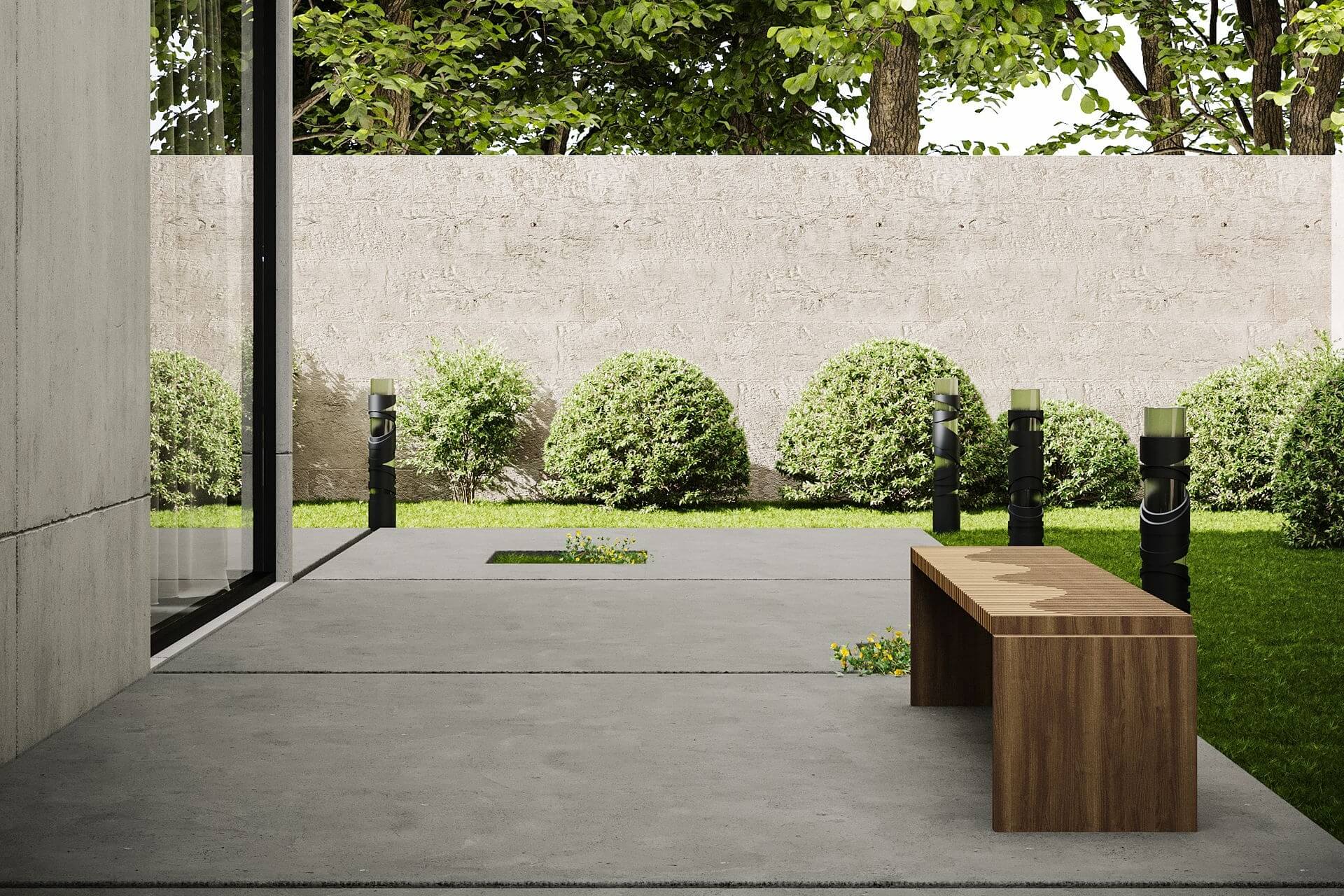
As summer gives way to autumn, concrete patios and terraces may be showing signs of a busy few months. Barbecue spills, gardening debris and everyday foot traffic can leave paving looking tired. For professionals carrying out maintenance or advising clients on aftercare, this is a useful time to consider cleaning and stain protection ahead of wetter weather.
Choosing the right approach starts with the material itself.
Understanding Concrete Paving
Concrete slabs are a familiar choice for UK patios, available in colours and finishes ranging from smooth, contemporary designs to textures resembling natural stone. Made using cement, aggregates and water, concrete is durable but porous, allowing moisture and oily spills to soak in. Textured finishes can also hold onto dirt.
Its cement content is also what makes concrete sensitive to acidic detergents, which can attack the surface and damage the finish. Compatible cleaning products are therefore essential to caring for the installation.
Putting Patio Care into Practice
Preparation begins with clearing furniture, planters and loose debris from the area. This provides full access to the paving and reveals any areas needing extra attention during the following steps:
1. Lift Away Dirt and Grease
Outdoor dining areas and frequently used sections of paving can develop concentrated patches of dirt and greasy residue. PS87 PRO helps lift this build-up from acid-sensitive concrete, preparing the surface for subsequent treatment.
Match the dilution to the paving’s condition: use 1:10 to 1:20 with water for general cleaning, or 1:5 for heavier build-up. Apply and leave for four to five minutes before scrubbing. A scrubbing brush suits smaller areas, while a single-disc machine can help on larger projects.
Collect the loosened dirt and cleaning solution with a suitable cloth or liquid vacuum cleaner, then rinse thoroughly to remove the residue.
2. Tackle Algae and Lichen Where Needed
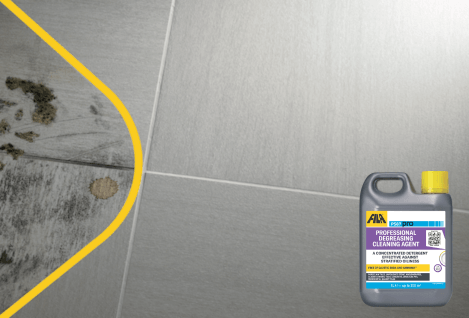
Shaded sections and areas beneath planters may remain damp, encouraging algae and lichen. These patches need targeted treatment alongside the general clean.
ALGACID spray is ready to use on concrete. Keeping the bottle upright, spray onto affected paving from around 15–20cm away and leave for approximately 15 minutes. Repeat if necessary, then wipe clean with a damp sponge.
Take care to keep the spray away from nearby plants, wood, fabrics and metal surfaces, and wear the recommended protective equipment during application.
Use biocides safely. Always read the label and product information before use.
3. Protect Against Future Stains
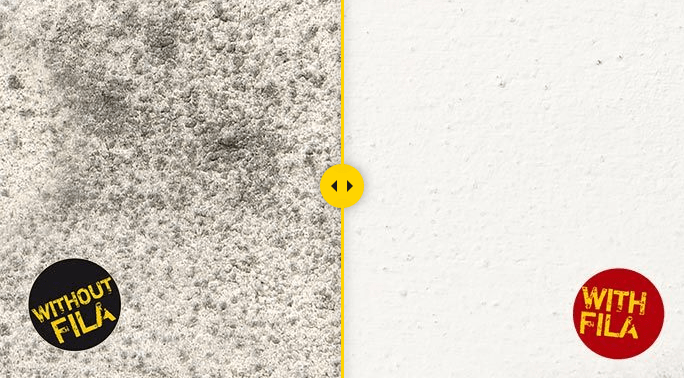
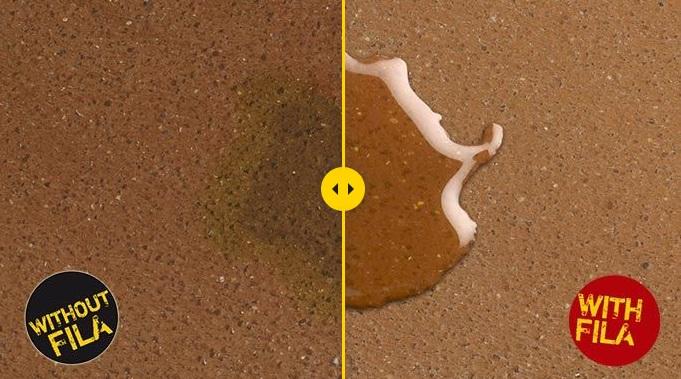
Once the paving is clean, attention can turn to caring for it through the wetter months and into next summer. Regular sweeping helps keep winter dirt and fallen leaves in check, while W68 limits the absorption of water-based and oily stains, including food and drink spills when outdoor dining resumes. It also provides a natural finish without forming a surface film, helping retain the intended appearance of concrete.
Test first for colour changes and choose a period when no rain is forecast. Apply two even coats using a brush or fleece pad, treating the joints too. Dab away unabsorbed excess with a microfibre cloth before it dries.
For ongoing aftercare, we recommend regular sweeping, prompt attention to spills and routine washing with CLEANER PRO diluted at 1:200.
Specialist Support for Your Concrete Patio Project
Giving concrete paving some attention now can lift the marks left by summer and help protect against future spills. If staining persists or you’re unsure whether a treatment suits a particular concrete finish, the FILA team can advise on your project.