
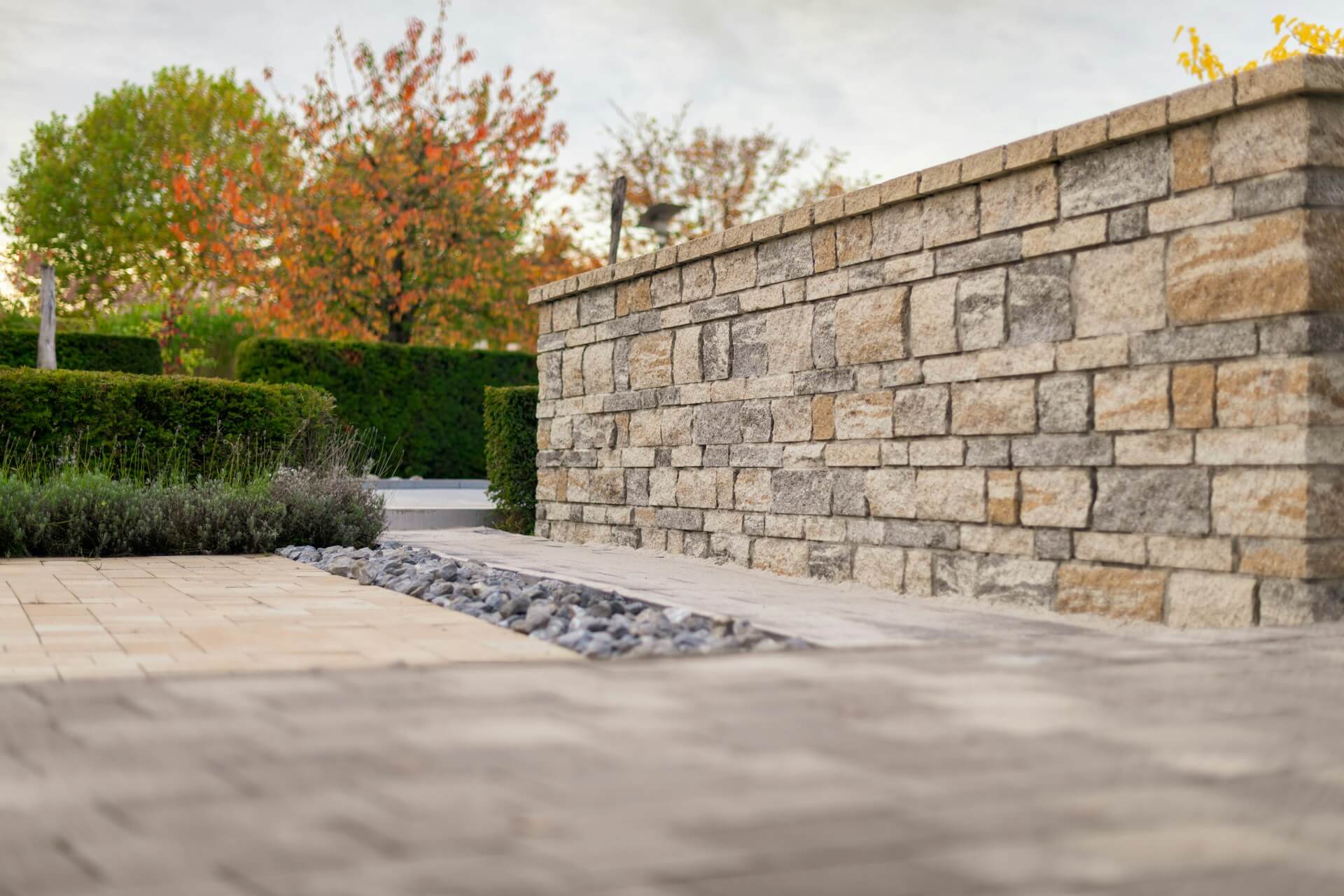
External stone brings strength, texture and character to outdoor projects. It might be used across a garden terrace, courtyard, entrance, walkway or external wall, in both residential and commercial settings. Once installed, however, the surface has to deal with weather, foot traffic, organic matter, oils and pollution.
That is why protection should be considered from the start. It helps contractors support the surface, guide the client on the right finish and give clearer aftercare advice at handover.
In this article, we look at why external stone benefits from protection, and how two FILA treatments can support different project needs. W68 is a water and oil repellent sealer for porous, unpolished surfaces where a natural finish is required. WET STONE ECO is a wet-look consolidating sealer for rough, textured natural stone where an enhanced appearance, dirt resistance and dust-resistant action are part of the brief.
The Challenges of External Stone Surfaces
Outdoor stone is exposed from the moment it is installed. On a private terrace, that might mean wet leaves, plant pots, barbecue grease, outdoor furniture and daily use. On a commercial scheme, it might mean heavy footfall, urban grime, regular cleaning and spillages.
Porous materials such as unpolished natural stone, terracotta, quarry tiles and concrete are more open to absorption than denser finishes. If water, oil or staining agents penetrate the surface, the material can become harder to clean and less predictable to maintain. Textured stone brings another challenge, as dirt can collect within the uneven surface profile.
A suitable sealer helps limit that absorption, giving the surface a stronger starting point before it faces regular outdoor use.
Protection as Part of the Specification
External surface protection works best when it is considered early, not treated as a final add-on. The right approach depends on the material, finish, location and level of use.
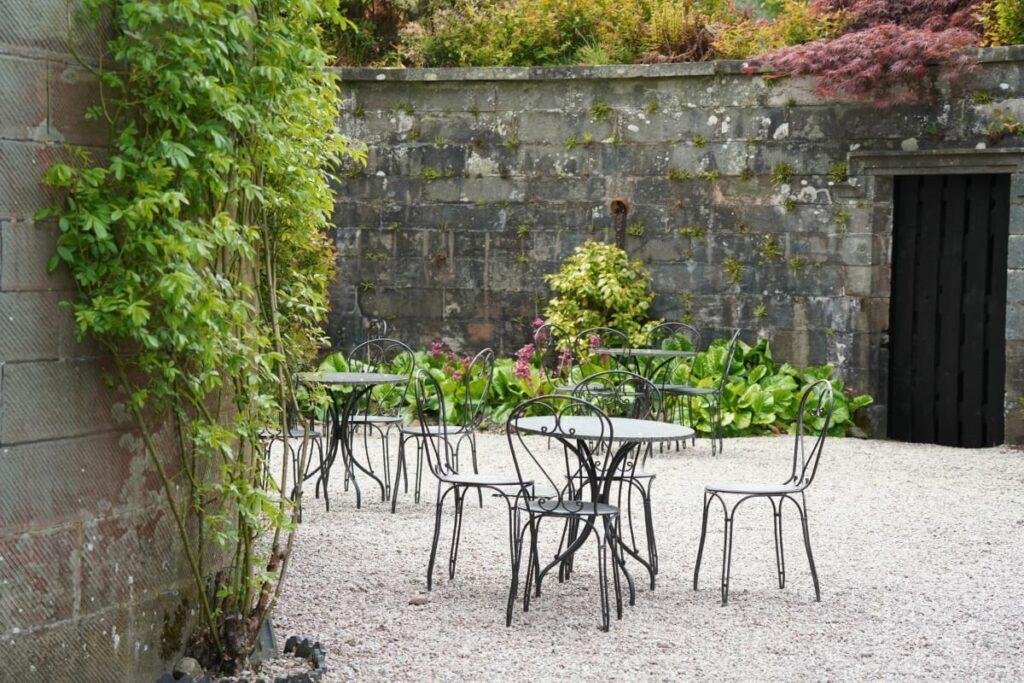
A sheltered garden path will not have the same demands as a restaurant courtyard or a public-facing wall. Some areas need protection from everyday spills and organic dirt. Others may need to stay presentable under heavier use, or support easier cleaning as part of a wider maintenance plan.
The client’s expectations also matter. Some want the material to look as natural as possible after treatment. Others want the stone to appear deeper, richer or more defined. By bringing protection into the specification stage, contractors can consider both the practical demands of the surface and the finish the client wants to achieve.
What a Repellent Treatment Helps With
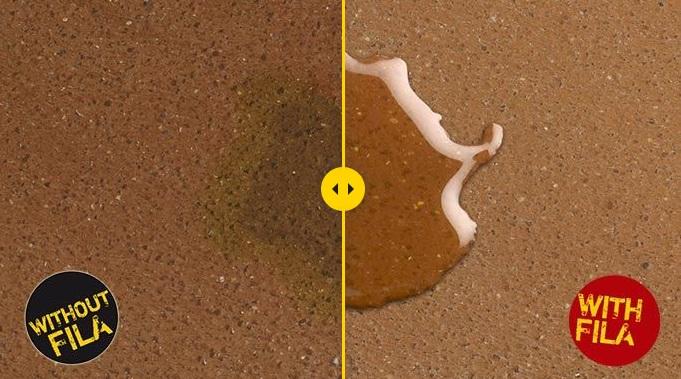
A good external sealer should support the surface without complicating the finish. On absorbent materials, water and oil repellence can help stop staining agents from sinking into the material. This is particularly useful on surfaces exposed to food, drink, oils, rainwater or organic dirt.
Breathability is also important outdoors. W68 protects porous materials without forming a surface film, helping the original appearance remain unchanged while still offering water and oil repellent performance.
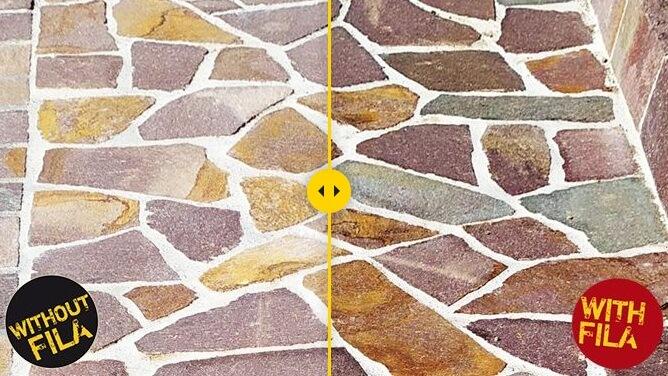
For rough natural stone, the priorities can be slightly different. WET STONE ECO offers a dirt-repellent and dust-resistant action, making it well suited to textured paving and vertical coverings where surface dust or dirt build-up can affect the finished look. Its consolidating action also supports these coarse materials that need more than simple stain protection.
Natural or Enhanced Finish?
One of the clearest ways to choose between these products is to start with that visual brief.
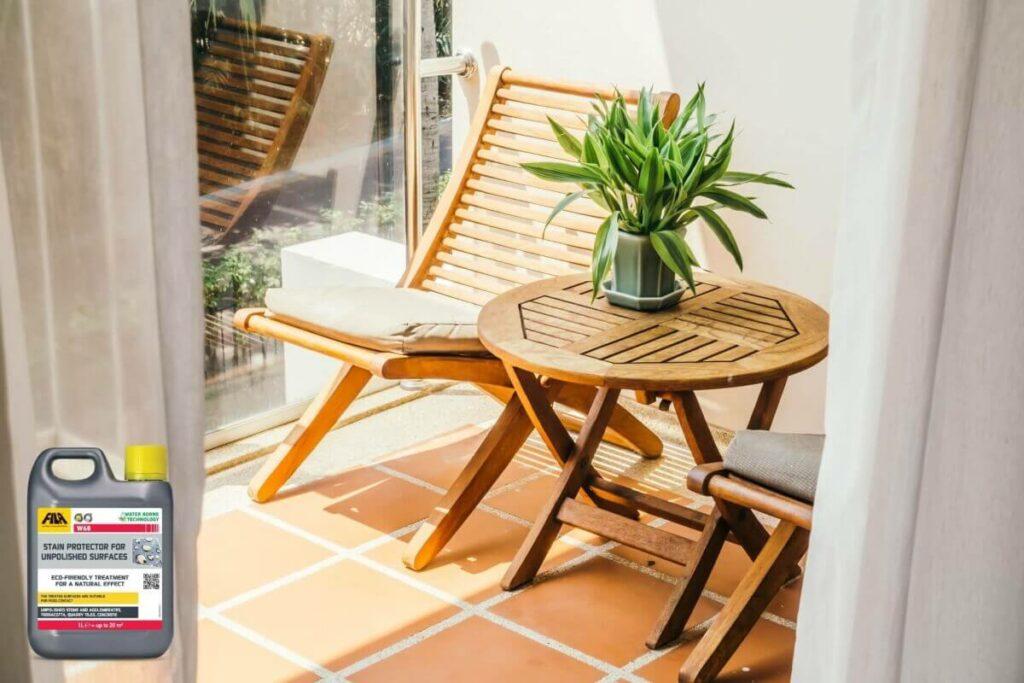
W68 is designed for projects where the surface should remain as close as possible to its original appearance. This unpolished stone protector offers a natural finish and does not alter the look of the material, making it suitable for porous, unpolished stone, agglomerates, terracotta, quarry tiles and concrete.
On the other hand, WET STONE ECO is used when the design calls for a more enhanced look. This stain protector revives rough natural stone with a wet-look gloss effect and is suitable for split-face, tumbled, flamed and sand-blasted finishes of natural stone. It can be used on slabs, cobblestones, Palladian paving and cleft stone paving where a richer appearance is part of the intended result.
While the brief is important, it should always be balanced with product suitability. If the client wants a richer, enhanced finish, contractors should still check that WET STONE ECO is appropriate for the specific material and surface finish before specification.
Managing Client Expectations
Protection can make external stone easier to care for, but it should not be presented as a complete barrier against every mark or maintenance issue. Outdoor surfaces will still need appropriate cleaning, especially in areas exposed to food, drink, planting, weather or heavy use.
For contractors, this is an important part of the handover conversation. Explaining what the treatment helps with, where its limits are and how the surface should be maintained gives clients a clearer understanding of what to expect once the project is complete.
Application Checks and Aftercare
The success of any stone care product depends on correct preparation and suitability. A patch test should always be carried out first, especially when the final appearance matters. Outdoor surfaces should also be clean and dry, and products should not be applied if rain is forecast.
The surface finish must also be checked carefully. WET STONE ECO is not suitable for smooth, honed or polished materials, and it should not be used on substrates affected by rising damp or standing water. Likewise, W68 does not protect against acid aggression, so this should be made clear where relevant.
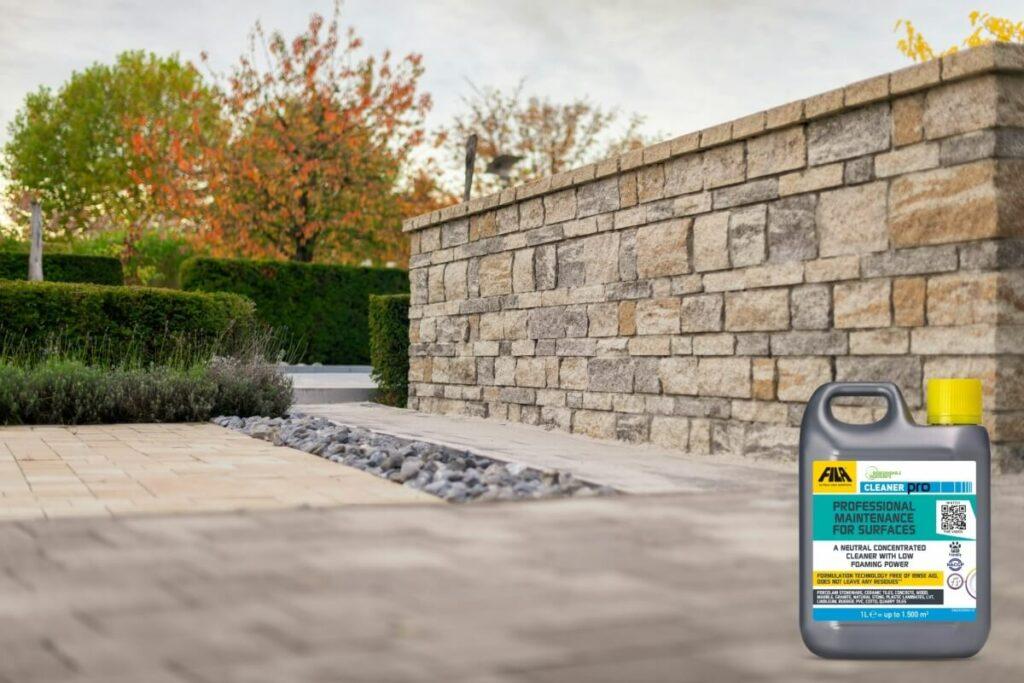
Once the surface has been protected, contractors can give clients simple care advice. We recommend a diluted solution of CLEANER PRO for ongoing cleaning. For WET STONE ECO outdoors, we also suggest reapplying once a year to maintain the optimal enhanced effect.
Choosing the Right Support for External Stone
So, why protect external stone? Because outdoor surfaces are exposed to weather, use and staining that can affect how they look and how simple they are to care for over time.
The key is choosing a product that suits the surface and design brief. W68 is ideal where porous, unpolished materials need water and oil repellent protection with a natural appearance. WET STONE ECO is better suited to rough natural stone where the aim is to enhance the look of the surface while adding dirt-repellent, dust-resistant and consolidating benefits.
By considering protection from the start, contractors can support external stone while giving clients clearer expectations for long-term care. For advice on choosing the right treatment for your next project, get in touch with the FILA team.