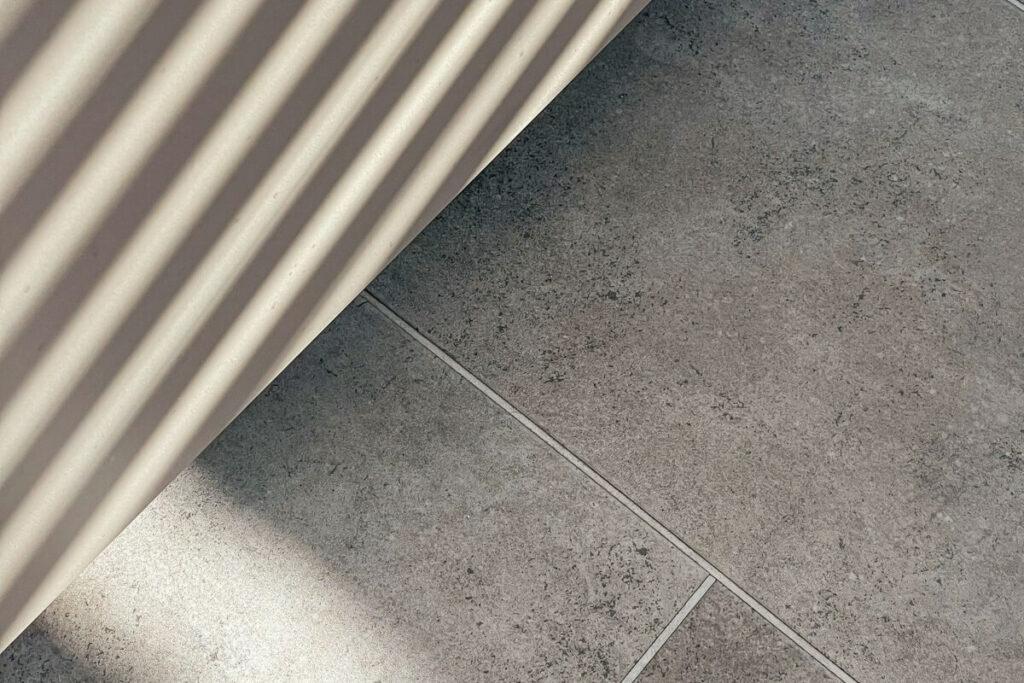
The tiles are laid, the grouting is finished and everything looks good. But once the floor dries, a cloudy film starts to appear. It’s a common problem known as grout haze, and it can leave even a beautifully installed porcelain floor looking patchy or streaky.
For contractors, it’s a frustrating issue that can take away from an otherwise great job, especially when it’s something the customer is likely to notice.
So why does grout residue get left behind, and what’s the best way to approach removing it? Let’s take a look.
What Causes Grout Residue?
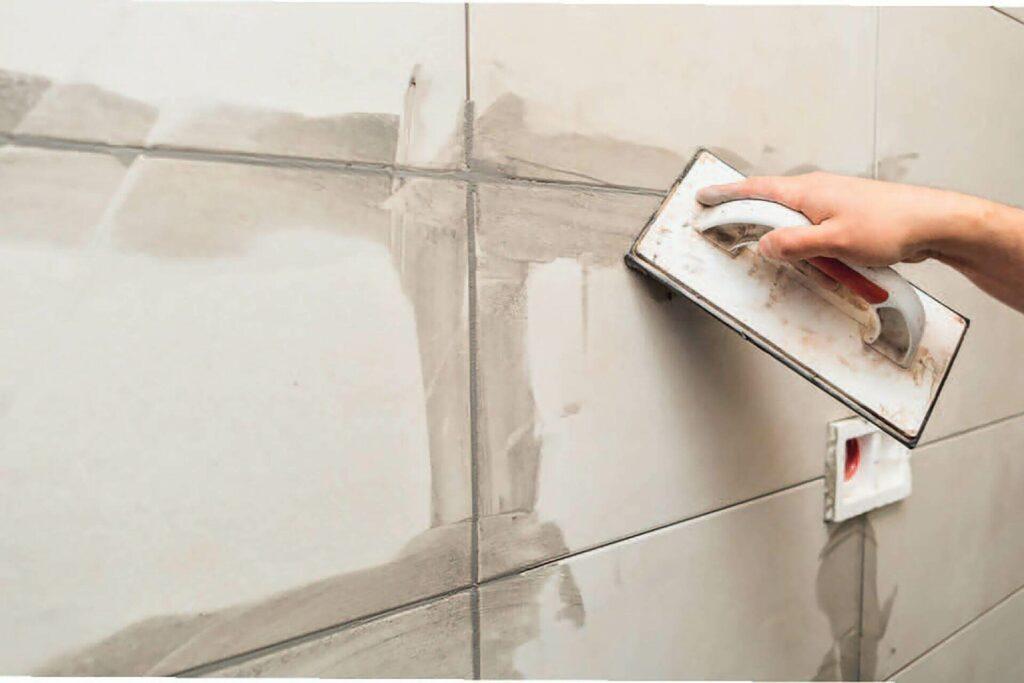
During installation, grout is worked into the joints between tiles, leaving excess material on the surrounding surface. Although most is wiped away during grouting, fine particles can remain behind. As the surface dries, these can appear as a whitish haze, particularly on darker porcelain tiles or under certain lighting conditions.
Some deposits can be more stubborn than others, while textured porcelain may trap material within its surface, making removal more challenging. That’s why grouting should be followed by a suitable post-installation clean, once the grout has cured sufficiently, to tackle any remaining residue.
Why Does the Type of Grout Matter?
Not all grout residues are the same. Cement-based grout typically leaves mineral residues, while epoxy and urethane grouts can create more stubborn resin-based films.
These differences matter when selecting a cleaner. A product designed for removing cementitious grout haze isn’t necessarily suitable for cured epoxy residue. Knowing which type of grout has been used is therefore an important starting point, rather than relying on the appearance of the residue alone.
Choosing the Right Cleaning Approach
Once you’ve identified the grout type, the next step is finding a suitable cleaning solution. Everyday floor detergents are designed to tackle general dirt, but they may not be effective against residues left behind after installation.
Before choosing a product, check the tile and grout manufacturers’ recommendations, including any curing requirements and cleaning restrictions.
For cementitious grout haze on compatible, acid-resistant porcelain, a specialist post-installation cleaner such as DETERDEK PRO may be appropriate. Resin-based residues, including cured epoxy and urethane grout haze, require a different solution, such as EPOXYOFF.
A Professional Finish, Fewer Callbacks
Grout residue doesn’t necessarily mean the tile itself is stained or damaged, but it can disguise the intended finish and leave clients questioning the quality of the installation.
For contractors, a thorough post-installation clean is an essential part of handing over a completed project. Removing leftover haze and deposits allows the tile’s true color, texture and finish to come through, helping ensure the final result reflects the quality of the workmanship.
It can also help avoid unnecessary callbacks, saving time and leaving customers with a better first impression of their newly installed floor.
Grout haze is just one of several residues that can affect porcelain tiles. For more advice on identifying different types of stains and residues, understanding cleaning chemistry and choosing suitable FILA solutions, explore our previous article, How to Identify and Treat Stains on Porcelain Tiles: A Contractor’s Guide.