
Textured porcelain pavers work well in both indoor and outdoor spaces, but keeping them clean isn’t always straightforward. At FILA, we often hear from contractors whose clients have tried different cleaning products and mopped repeatedly, yet still can’t seem to shift the dirt.
Some become so frustrated that they consider replacing the pavers or having the texture ground down. Before going that far, it’s worth finding out why the dirt is proving so difficult to remove. Leftover installation residues or an ineffective cleaning routine may be part of the problem, and the right cleaning approach or treatment could save considerable expense and disruption.
Why Does Textured Porcelain Hold Onto Dirt?
The texture that helps provide traction also creates recesses where dirt can collect. A mop may pass across the raised areas without effectively reaching the soil below, leaving the surface looking dirty even after cleaning.
Indoors, dirt brought in on shoes and everyday spills can settle into the textured surface. Outside, dust, soil, and mineral deposits can also build up over time. Mopping with dirty water can spread the dirt around, while using too much cleaner or skipping rinsing when it’s needed can leave residue behind.
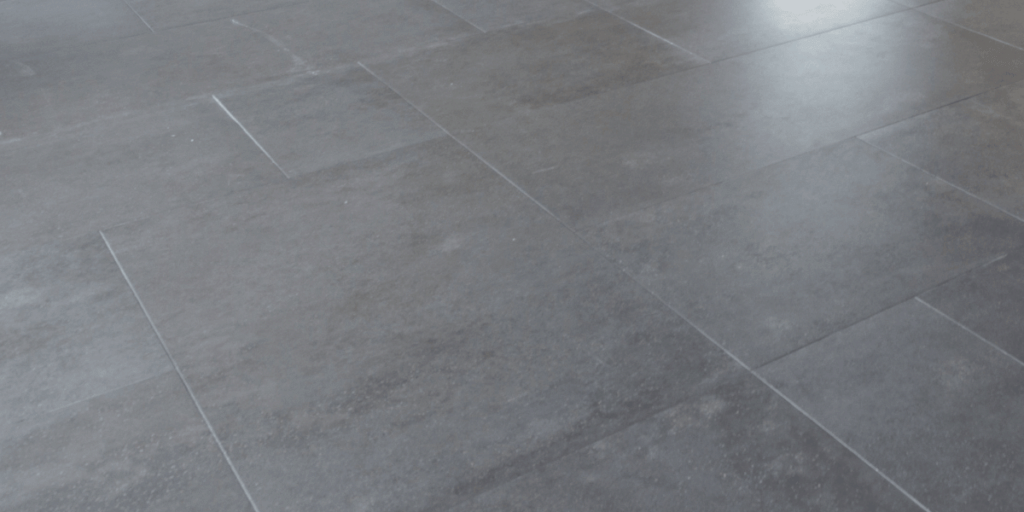
What’s more, residue left behind after installation can also make cleaning harder. A thin layer of grout haze can leave the pavers looking dull, even when they have been correctly installed. If that haze is still there, switching your everyday cleaner may not make much difference until it has been removed.
This does not mean that anti-slip pavers were the wrong choice. It just means their surface needs a cleaning approach that reaches into the texture and removes contamination effectively.
Before Grinding Or Replacing The Surface
Grinding the surface can change both its appearance and intended slip performance. Replacement brings its own material, labor, removal, and installation costs, alongside disruption to the property and project schedule.
For contractors, finding out what’s causing the problem is the first step toward helping the client get more from their existing floor. A thorough clean and a better maintenance routine may be enough, with additional treatment worth considering if cleaning remains difficult.
First, Eliminate Grout Haze And Other Residues
Identify the likely contamination and test products on an inconspicuous area before proceeding. FILA’s troubleshooting approach starts with PS87 PRO, followed where appropriate by DETERDEK PRO, then PROSTRIP, depending on the type of residue and the results of each cleaning stage.
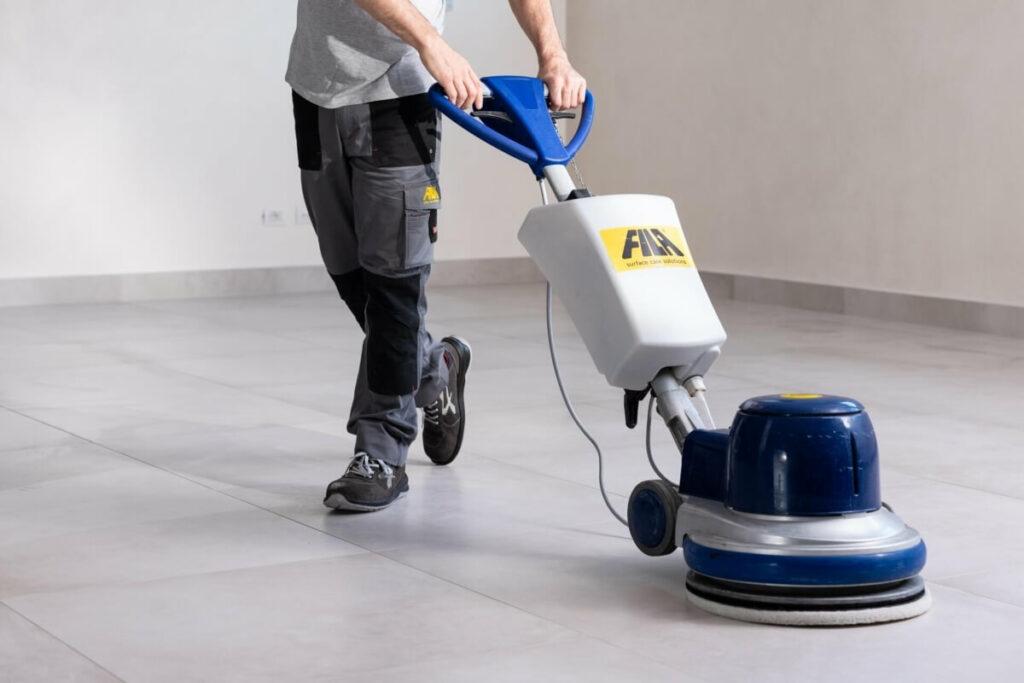
For greasy dirt and heavy buildup, dilute PS87 PRO 1:5. Allow four to five minutes of contact time, scrub with a suitable brush or floor scrubber, remove the dirty solution, and rinse thoroughly.
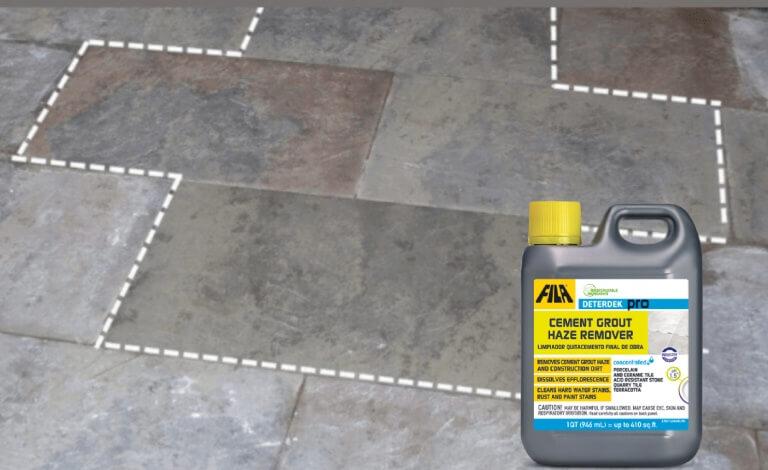
If cement grout haze or mineral deposits remain, use DETERDEK PRO. Wet the surface and grout joints first, then apply a 1:5 dilution in small sections. Allow five to ten minutes, scrub, collect the residue, and rinse with plenty of water. Protect adjacent acid-sensitive materials.
Epoxy grout residue also requires a suitable epoxy residue remover, such as EPOXYOFF.
Where an existing filming sealer or coating is causing the problem, consider PROSTRIP. Apply undiluted, leave for at least five minutes, scrub, and rinse thoroughly. Carry out each application separately, rinsing thoroughly between products.
Build A Maintenance Routine That Reaches The Texture
Once installation residues are gone, establish a routine that removes daily dirt before it accumulates. Sweep or vacuum loose debris first, then clean regularly with CLEANER PRO.
For everyday maintenance, dilute 1:200. At this dilution, it leaves no residue and requires no rinsing. Adding extra detergent unnecessarily will not compensate for poor cleaning technique.
Use a two-bucket system, keeping the cleaning solution separate from the water used to rinse the mop. Choose good-quality mop heads, change dirty water frequently, and use a suitable stiff-bristled brush to work into the textured surface where needed.
For stubborn dirt, CLEANER PRO can be diluted 1:30, followed by scrubbing and rinsing. Remove the dirty liquid thoroughly so loosened soil does not settle back into the recesses.
Schedule periodic deep cleaning with PS87 PRO every one to three months, adjusting frequency to traffic, exposure, and visible buildup. Follow the appropriate dilution and rinse thoroughly. Giving the client clear maintenance instructions also helps support the improvement after handover.
Test Whether A Sealer Improves Maintenance
If cleaning remains difficult, consider testing MP90 ECO XTREME on a small area of the pavers. This penetrating sealer can make everyday cleaning easier, but suitability should be assessed for each porcelain surface.
Apply it to a clean test area according to the product instructions. Keep the surface wet with sealer for ten to fifteen minutes, then work it into the surface and remove all excess before it dries.
Allow the test area to cure fully before assessing appearance and cleanability. If needed, the sealer can be removed with PROSTRIP. Testing first helps you decide whether sealing will benefit the installation before treating a larger area.
Consider Professional STOP DIRT Treatment
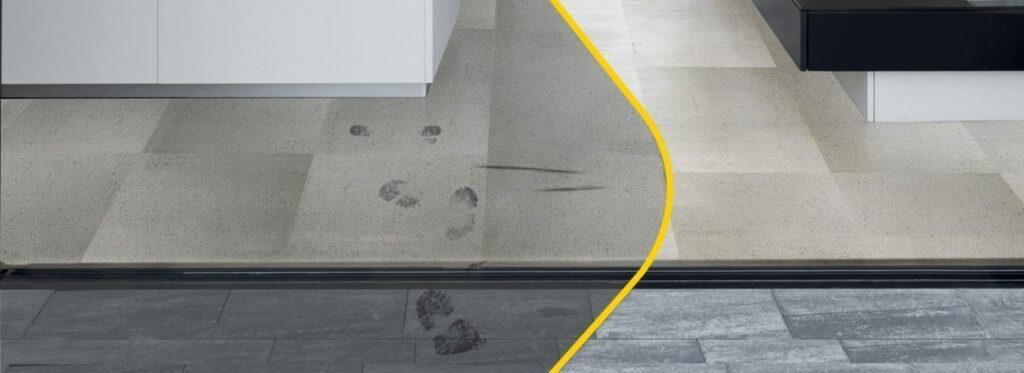
If the pavers are still proving difficult to clean, a FILA-trained STOP DIRT applicator can help you decide whether this treatment is right for the surface. Designed for textured, unpolished, and suitable lappato porcelain, STOP DIRT helps resist dirt and makes cleaning easier without forming a surface film.
Suitable for interior and exterior use, it is UV-resistant and non-yellowing. FILA’s product testing indicates that it also does not alter the material’s slip resistance.
Because this treatment is permanent and cannot be removed, it is important to confirm it is suitable for the surface before application. In the United States, the treatment is applied exclusively by trained FILA professionals, who assess the pavers and carry out a preliminary test to check for any change in the tile or grout color. This assessment also considers the finish, as STOP DIRT is not suitable for matte-finish lappato porcelain.
The applicator manages preparation and application, including removing product residues within ten minutes and removing any remaining residue after at least twelve hours, before foot traffic resumes.
Find the Right Solution for Your Project
If you are struggling to clean textured porcelain pavers, our team can help you decide what to try next. Whether you need advice on removing residues, improving maintenance, or investigating professional treatment options, get in touch with our team to discuss your project. We can also connect you with a trained applicator in your area.
For contractors who regularly encounter these problems, becoming a FILA-approved STOP DIRT applicator could be a useful addition to your services. Contact us to learn more about training and how you can help clients maintain their textured porcelain surfaces.
